Expanded Metal Mesh vs. Perforated Sheet: Which One to Choose?
The industrial manufacturing sector has evolved significantly, with the introduction of innovative materials such as Expanded Metal Mesh. This versatile product has become a cornerstone in various applications, addressing numerous pain points in construction, safety, and aesthetics. Expanded metal mesh boasts an array of benefits, making it an ideal choice over traditional materials. In this article, we will explore the differences between expanded metal mesh and perforated sheets, aiming to solve user problems while enhancing your understanding of these materials.
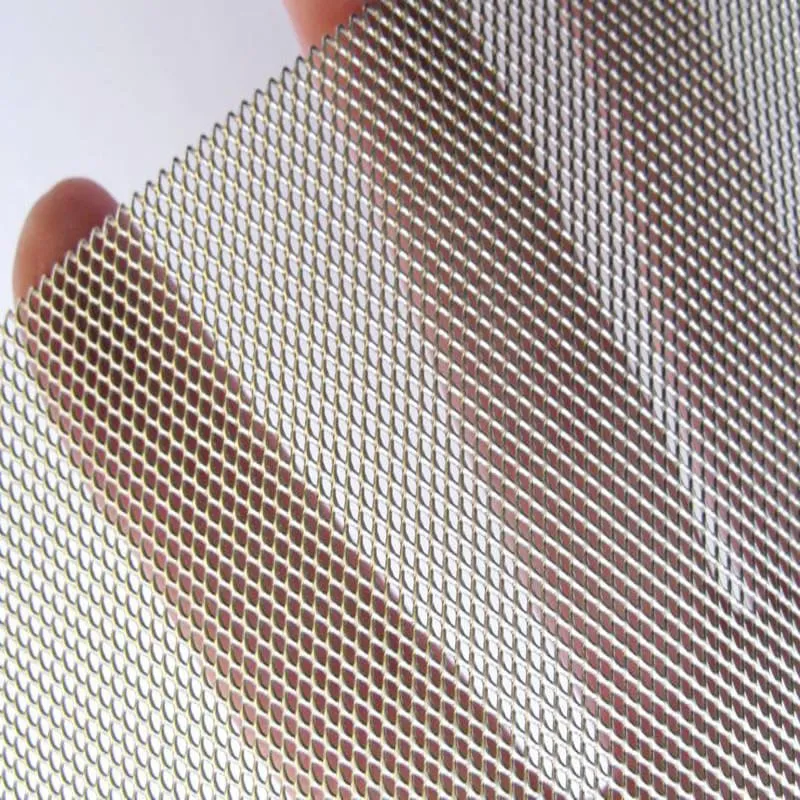
Definition: Understanding Expanded Metal Mesh and Perforated Sheet
Expanded Metal Mesh is a sheet metal product made by slitting and stretching metal sheets to create a mesh-like pattern. These openings allow for airflow, light penetration, and drainage, making it a popular choice for various applications.
Conversely, Perforated Sheets are flat sheets of material with a series of holes punched through them. This process also allows for airflow and visibility but is generally offered in a wider array of hole sizes and shapes.
Industry Term Analysis
Expanded Metal Mesh: Characterized by its increased strength-to-weight ratio, this material is often graded as a lightweight yet durable alternative, suitable for construction, fencing, and architectural features.
Perforated Sheet: Known for customization, perforated sheets can be designed with various hole shapes, sizes, and patterns, making it ideal for filtration and aesthetic applications.
Application Scenario: Where Are They Used?
Expanded metal mesh is extensively used in various industries, including:
Construction: Often used for concrete reinforcement, architectural features, and safety fences.
Industrial Applications: Used in machine guards, walkways, and platforms due to its high load-bearing capacity.
Filtration: Various filtration systems utilize expanded metal mesh for durability and resistance to wear.
In contrast, perforated sheets find applications in:
Soundproofing: Used in acoustic panels and sound barriers for their ability to absorb sound.
Aesthetic Facades: Popular in architectural design for creating visually appealing structures.
HVAC Systems: Employed in ductwork for improved airflow.
Brief Description of Advantages: Why Is It Important?
Expanded metal mesh offers several advantages that make it a superior choice in many situations:
Strength to Weight Ratio: Expanded metal mesh is up to 40% lighter than solid sheets, yet provides superior strength, making it easier to handle.
Cost-Effectiveness: Research indicates that using expanded metal mesh can reduce material costs by up to 15% compared to other materials.
Versatility: With custom sizing available, it addresses a wide range of user requirements, particularly in constructions where unique dimensions are essential.
On the other hand, perforated sheets allow for more design freedom through customizable patterns, appealing to architects and designers who emphasize aesthetics.
Next Step Guidance: Reading the User Guide
For those interested in incorporating expanded metal mesh or perforated sheets into your projects, consider reading comprehensive user guides that detail specifications, installation procedures, and maintenance tips. Brands like Yuanbo often have rich resources available that can assist in understanding these materials better and ensuring proper usage.


Comments
Post a Comment