Vibrating Screen Mesh vs. Perforated Plate: Which Is Better?
In the rapidly evolving world of manufacturing and material processing, Vibrating Screen Mesh has emerged as a critical component in various industries. It plays a significant role in separating materials based on size and improving efficiency in production lines. For manufacturers, choosing the right screening solution can be the difference between rejection and success. This article delves into the differences between vibrating screen mesh and perforated plates, focusing on common pain points faced by industries such as mining, agriculture, and recycling, and providing solutions that enhance throughput and accuracy.
When considering vibrating screen mesh, the challenge often lies in durability, material loss, and fine particle separation. Inability to adequately capture fine particles can result in up to a 30% drop in overall material yield. This stark reality propels industries to examine their options closely.
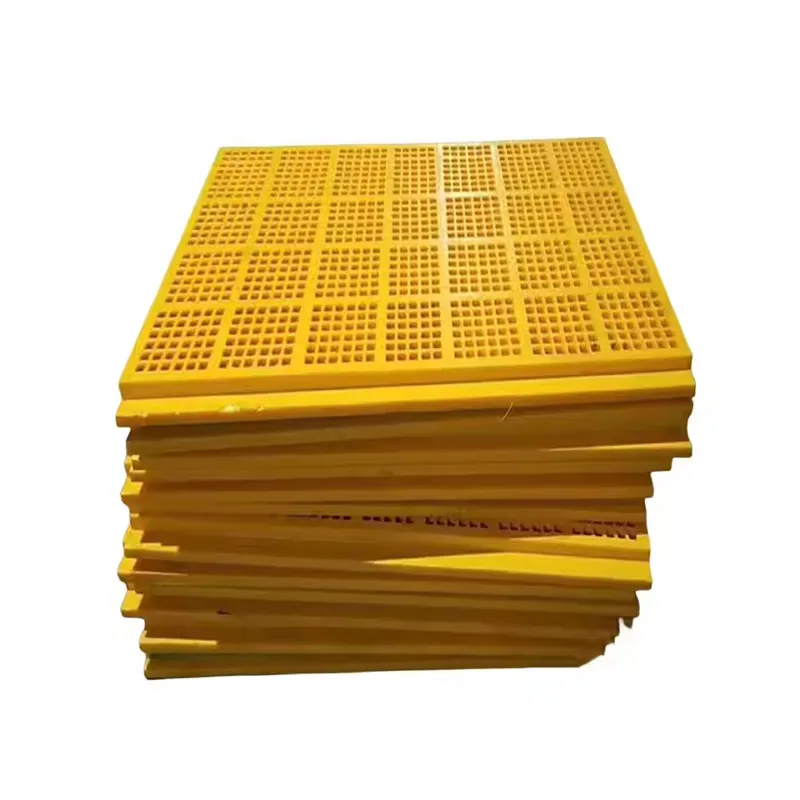
Definition
Vibrating screen mesh is a woven fabric material utilized in the screening process to separate materials based on size. This woven assembly results in a flexible yet sturdy design, which is ideal for high-frequency production lines. Conversely, a perforated plate is a solid piece of material with drilled holes that can be used to separate materials but lacks the flexibility and blinding resistance that vibrating screens provide.
Industry Term Analysis
Mesh Size: Refers to the dimensions of the holes in the mesh, affecting both separation efficiency and product quality.
Blinding: A phenomenon where fine particles clog the holes, negatively impacting flow and efficiency.
Screening Efficiency: The effectiveness of the screen in separating particles, often measured in percentages.
Application Scenario
Vibrating screen mesh finds application across various sectors including:
Mining: For sorting minerals and ores, ensuring optimal resource extraction.
Agriculture: In seed processing, where the correct separation can influence crop yield by up to 15%.
Recycling: For sorting materials like metals and plastics to increase recovery rates and reduce landfill impact.
Brief Description of Advantages
The advantages of vibrating screen mesh are numerous. It is essential in:
Durability: Vibrating screen meshes typically last 2-4 times longer than perforated plates, reducing replacement costs.
Productivity: Accommodating higher feed rates enables a measured increase in throughput of 25% compared to perforated plates.
Flexibility: With varying mesh sizes, vibrating screens can adapt to multiple production needs and materials, unlike the fixed design of perforated plates.
The vibrational action not only increases the separation efficiency but also helps keep the screening surface clean, drastically reducing blinding issues.
Next Step Guidance
To fully harness the potential of your industrial processes through effective screening solutions, consider exploring user guides for both vibrating screen mesh and perforated plates. Start with products from reputable brands such as Yuanbo, which are designed with innovative materials and technology to improve operational efficiency.


Comments
Post a Comment